
|
⏱️ Estimated time to read:
Benefits of a Top Credit Score
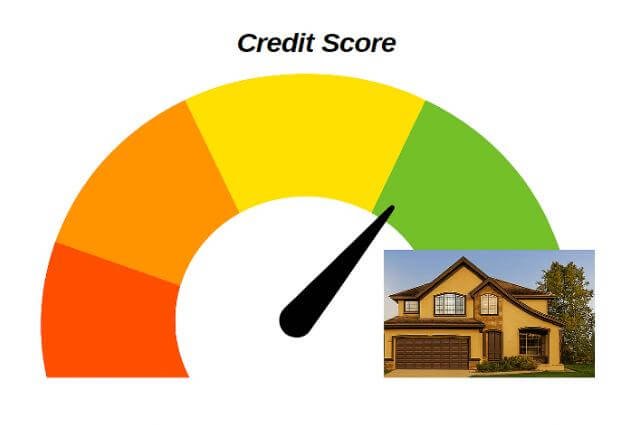
The better your credit score, the better deal you can score on your home loan. Learning how to improve your credit score early can make borrowing cheaper and easier.
With a strong score, borrowing becomes cheaper. You are more likely to qualify for the lowest interest rates on mortgages, auto loans, and personal loans. Over time, this can save you thousands of dollars.
You also gain more leverage. Lenders want your business when your score is excellent. This gives you power to negotiate. You may secure waived fees, lower rates, or better terms not available to most borrowers.
A top credit score can be achieved. There are ways to build credit fast like such as credit utilization strategies, among others discussed below.
Key Takeaways – How to Improve Your Credit Score and Get a Home Loan Deal
- A higher score gives you access to the best credit score for home loan deals, with lower interest rates and stronger negotiating power.
- Credit scores range from 300 to 850, with 800+ considered excellent.
- Ways to build credit fast include paying bills on time and reducing debt.
- Credit utilization strategies, such as keeping balances under 30%, improve scores. Better yet under 10% results in excellent credit score.
- Even if you have an old default, a strong record of on-time payments can outweigh it over time.
- Good habits early create long-term benefits, good credit history and stronger financial options.
Quick Navigation
- Benefits of a Top Credit Score
- Key Takeaways – How to Improve Your Credit Score and Get a Home Loan Deal
- Credit Score Ranges (FICO Model)
- How to Improve Your Credit Score
- Ways a Credit Score Can Drop
- Credit Utilization and Why It Matters
- Teaching Good Habits Early
- Conclusion: How to Improve Your Credit Score and Secure the Best Home Loan
- Key Concepts / Glossary – How to Improve Your Credit Score
- FAQs on How to Improve Your Credit Score and Get a Home Loan Deal
- Ready to see the numbers? Try our Home Loan and Mortgage Affordability Calculators
- Recent Articles on House Buying and Mortgages
- Check Out Our Latest Loan Calculators
- Free Tools You Can Download
Credit Score Ranges (FICO Model)
Credit scores usually range from 300 to 850. The FICO model is widely used in the United States. Other countries may use different systems, but the principles are the same.
Below are score ranges and what they mean:
- 800–850 – Excellent Credit – Best rates and loan terms. Higher approval chances for premium credit cards and mortgages.
- 740–799 Very Good Credit – Access to loans with low interest rates and often no fees.
- 670–739 Good Credit – Competitive rates. Multiple offers available, so you can shop around.
- 580–669 Fair Credit – Many lenders require at least 600. Higher interest rates and less favorable terms.
- 300–579 Poor Credit – Borrowing is expensive. Many lenders may deny applications or offer poor terms with high fees.
If your score is above 800, you are in excellent shape. You will generally have access to the best loan rates.
For more on how FICO scores are calculated, see FICO’s official guide.
How to Improve Your Credit Score
The key is simple. Pay your bills on time. One of the most effective ways to build credit fast is to pay bills on time and keep balances low.
Your credit history begins when you open your first account. This could be a credit card, a loan, or an account-based service such as a mobile plan or utility bill. For example, if you get a credit card at 18 and pay it off in full each month, you are on your way.
Later, you may be offered a higher credit limit. Accepting it can improve your score, because it shows you have more available credit. However, more credit also brings risk. If you spend beyond what you can repay, your debt can grow quickly. The best approach is to keep the higher limit but only use what you can pay off each month.
Opening other accounts, such as an on-account mobile phone, and managing them well can also help. Over time, these habits create a strong credit profile.
When the time comes to buy a house, lenders will look closely at your score. If you have managed your accounts well, you can secure a great deal. If you have missed payments or defaulted, your score can sink. You may face poor terms or even be locked out of borrowing.
A good score signals to lenders that you are reliable with money.
And if your credit score low at the momment, even if you hav an old default, a strong record of on-time payments can outweigh it over time.
Once your credit score improves, try our mortgage affordability calculator to see what loan terms you could qualify for.
Ways a Credit Score Can Drop
Your score can fall for several reasons:
- Missing payments on accounts
- Defaulting on a debt
- Even closing old credit card accounts – see below section on credit utilization and why it matters.
- Making repeated applications for credit
A couple of accounts can help build your score. However, applying for many small loans or multiple credit cards in a short time can signal financial stress. This lowers your score.
Credit Utilization and Why It Matters

Credit utilization is the percentage of available credit you are using. For example, if your credit limit is $10,000 and your balance is $2,000, your utilization rate is 20 percent.
Simple credit utilization strategies include paying balances early and requesting higher limits without overspending.
Keeping utilization under 30 percent shows good management. Staying under 10 percent is ideal for scores in the 750–850 range.
Strategies to Manage Credit Utilization
- Pay your credit card balances in full each month.
- Make extra payments during the month to keep balances low.
- Request higher credit limits, but avoid increasing spending.
- Monitor your spending to stay within a healthy range.
- Keep older accounts open to maintain a longer history and higher total credit limit.
As noted above, even if you have an old default, a strong record of on-time payments can outweigh it over time.
Teaching Good Habits Early
Parents can play a role by teaching children how to manage money and credit responsibly. Good habits learned early can make a big difference later in life.
Conclusion: How to Improve Your Credit Score and Secure the Best Home Loan
Improving your credit score is one of the most effective ways to lower the cost of borrowing. A higher score gives you access to the best credit score for home loan deals, with lower interest rates and stronger negotiating power. Even if your score is not perfect today, consistent habits can move it upward.
The most reliable ways to build credit fast are simple. Pay every bill on time, reduce outstanding balances, and avoid unnecessary applications for new credit. Using smart credit utilization strategies, such as keeping balances under 30 percent and paying cards in full, can also make a big difference. Over time, these steps show lenders that you are responsible and reliable.
Remember, your credit score is not fixed. It reflects your financial behavior, and positive changes can improve it quickly. By learning how to improve your credit score and applying these habits, you set yourself up for better loan terms, stronger financial security, and more opportunities when it comes time to buy a home.
Key Concepts / Glossary – How to Improve Your Credit Score
This glossary explains the most important terms you will see relating to improving credit scores. It is written in plain language so you can use it as a quick reference while reading. For a full list of financial terms, see our Financial Dictionary.
- Credit Utilization
- Credit utilization is the percentage of your available credit that you are using. For example, if your limit is $10,000 and your balance is $2,000, your utilization rate is 20 percent. Therefore, lower utilization shows stronger credit management.
- Credit History
- Credit history is your record of borrowing and repayment over time. It includes accounts opened, payment patterns, and any defaults. As a result, a longer and positive history can improve your score.
- Default
- A default occurs when you fail to repay a debt as agreed. Consequently, defaults can lower your credit score and make borrowing more expensive.
- Mortgage
- A mortgage is a loan used to buy a home. Lenders review your credit score before offering terms. Therefore, a higher score usually means lower interest rates and better conditions.
FAQs on How to Improve Your Credit Score and Get a Home Loan Deal
You get cheaper loans, lower interest rates, and more negotiating power with lenders.
A score of 670 or higher is considered good. Above 740 is very good, and above 800 is excellent.
Improvements can happen within months if you pay on time and lower your credit utilization. Long-term habits create lasting results.
Pay bills on time, reduce debt, keep credit utilization low, and avoid too many new credit applications.
Ready to see the numbers? Try our Home Loan and Mortgage Affordability Calculators
Adpoting ways to build credit fast like credit utilization strategies, let’s see the numbers.
Recent Articles on House Buying and Mortgages
Check Out Our Latest Loan Calculators
-
How Much Can I Borrow? Home Loan Affordability Calculator
Use this affordability calculator to get an estimate of how much you can borrow. It asks…
-
Home Loan Calculator
Enter your details to see your total cost, total interest, and payoff time. This home loan…
Free Tools You Can Download
Buying a House – Top Tools and Online Calculators
Buying a House – New and Most Read Articles and Guides
Disclaimer – Educational Use Only
Content on MoneyOpes.com is for informational and educational purposes only. It does not constitute financial, legal, or professional advice. Your financial situation is unique, and outcomes may differ. Past performance is not a guarantee of future results. MoneyOpes.com adheres to strict editorial integrity standards, and to the best of our knowledge, all content is accurate as of the date posted. See our full disclaimer.