
|
⏱️ Estimated time to read:
Budgeting and saving give you a clear view of your money. They also help you plan for both today and the future. This overview explains the basics in simple terms so you can move through this section with confidence. It introduces common questions that many people ask when they start managing their income and expenses. It also defines key ideas that appear across our budgeting and saving guides.
As a next step, it helps to look at the questions that often come up when people start building a budget or setting money aside. These questions highlight the ideas that shape most budgeting and saving decisions. They also give you a clear starting point before you explore more detailed guides and tools.
Quick Navigation
- Common Budgeting and Saving Questions
- A Classic Perspective On Saving, Budgeting And Personal Wealth
- Key Budgeting and Saving Terms
- Closing Thoughts on Budgeting and Saving
- Recent Articles on Budgeting and Saving
- Check Out Our Latest Savings and Investment Calculators
- Free Budgeting and Savings Tools You Can Download
Common Budgeting and Saving Questions
Budgeting shows where your money goes. Saving sets money aside for future needs. Together, they help you plan with more confidence and make clearer decisions about your income and expenses.
You can begin with the information you already have. Many people start by reviewing one month of bank statements. This gives you a simple view of your spending before you choose a budgeting and savings method.
You can compare your total income with your total expenses. Income includes wages, interest, and dividends. Expenses include all money that leaves your account. If your income is higher than your expenses, you have a surplus.
You can look for ways to reduce spending or increase income. Even small changes can help you move toward a surplus. In addition, you can review your budgeting and savings categories to see where adjustments feel realistic for your situation.
Many people choose a monthly budget because it matches common billing cycles. You can also align your budget with your pay cycle if that feels more natural. The best choice is the one you can maintain with ease.
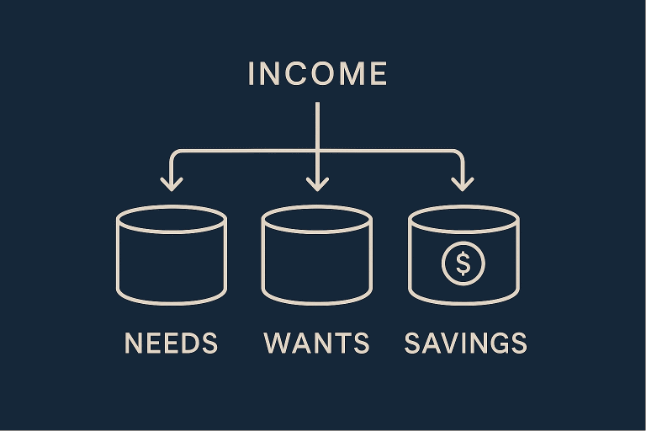
The 50 30 20 rule is a simple budgeting and savings basics for beginners method. It directs 50 percent of your income after tax to needs, 30 percent to wants, and 20 percent to savings or debt repayment. It gives you a clear starting point before you explore other methods.
Now that we have explored the budgeting and saving questions people ask today, it is interesting to see how earlier generations understood these same ideas through simple stories and timeless lessons that remain just as relevant now as they were then.
A Classic Perspective On Saving, Budgeting And Personal Wealth
The Richest Man in Babylon offers one of the best known examples of how simple stories can teach practical ideas about saving, budgeting, and personal wealth. Through its well‑known “Seven Cures for a Lean Purse,” the book shows why it helps to save part of your income, control your expenses, invest so your money can grow, and protect your savings from unnecessary risk. In addition, it explains the value of turning your home into a stable base, planning for future income needs, and developing your skills so you can earn more over time. Because the book is now in the public domain, anyone can view it for free. [1]
Key Budgeting and Saving Terms
Budgeting Terms
- Budget
- A budget is a plan that shows how you will use your income over a set period. It helps you see where your money goes. Moreover, it helps you adjust your spending as your needs change.
- Cash Flow
- Cash flow shows the movement of money in and out of your accounts. As you track it, you begin to see patterns that help you plan ahead.
- Fixed Expenses
- Fixed expenses stay the same each month. Because they do not change often, they give you a stable base for your budget.
- Variable Expenses
- Variable expenses change from month to month. As you review them, you can spot areas where small adjustments may help you save more.
- Zero Based Budget
- A zero based budget gives every dollar a purpose until nothing is left unassigned. As a result, this approach helps you stay intentional with each spending choice.
Saving Terms
- Savings
- Savings are funds you set aside for future needs, goals, or emergencies. Therefore, as you build savings over time, you create more room to handle unexpected events.
- Emergency Fund
- An emergency fund covers unexpected costs, such as car repairs or medical bills. With this buffer in place, you can manage surprises with less stress.
- Sinking Fund
- A sinking fund helps you prepare for planned future expenses. As you add small amounts regularly, you spread the cost of holidays, insurance payments, or school fees.
- Pay Yourself First
- Pay yourself first means you save a set amount before you spend on other items. As a result, this simple step helps you build savings with more consistency.
- Surplus
- A surplus occurs when your income is higher than your expenses. With a surplus, you can direct more money toward savings or future plans.
Income Related Terms
- Discretionary Income
- Discretionary income is the amount left after you pay taxes and essential living costs. You can use it for savings or non essential spending, depending on your goals.
Closing Thoughts on Budgeting and Saving
Budgeting and saving explained in simple terms can give you a clearer view of your money and how it moves. As you explore these budgeting and saving basics for beginners, you will see how each idea connects to the next. The concepts in this guide also help you answer many common budgeting and saving questions that come up when people start managing their income and expenses.
As you move forward, you can explore more detailed tools and examples across our budgeting and saving guides. These resources build on the ideas introduced here. Therefore, giving you more ways to understand how your financial choices fit together. In addition, helpsing you see how the choices you make today can have a growing impact on your future money situation as time and compounding work together.
References and Further Reading
[1] Open Library. “The Richest Man in Babylon”

Start with our popular guide:
Master Your Budget – Easy Steps
Recent Articles on Budgeting and Saving
-
Einstein and Buffett on Compound Interest
Compound interest has been called the eighth wonder of the world. Albert Einstein’s famous quote highlights its power, and Warren Buffett’s investing strategy shows how it builds…
-
Smart Places to Keep Your Hard Earned Savings
When you think about the best places to put your savings, it helps to start with a clear definition. Savings are the part of your income that…
-
Master Your Budget – Easy Steps – Budgeting & Savings Guide
Budgeting and saving are the foundation of every strong financial plan. Budgeting does not need to be complex. Instead, the key is to build a system you…
-
10 Easy Ways to Save Money – Start Now. Every Dollar Counts.
You can save money without changing your lifestyle and often improving it. Most easy ways to save money are so simple you don’t even notice them. Small…
Check Out Our Latest Savings and Investment Calculators
-
Rule of 72 Calculator: Estimate How Long to Double Your Money
Use this Rule of 72 calculator to quickly estimate how long it takes to double money at a given interest rate per year. You can also work out the annual rate needed to…
-
CD Calculator: Estimate Your Certificate of Deposit Returns
Use this CD calculator to estimate how much interest can be earned over time. This certificate of deposit calculator lets you enter your deposit amount, interest rate, and term length to see potential…
Free Budgeting and Savings Tools You Can Download
-
Personal Monthly Budget Template (Excel Spreadsheet Planner)
Personal Monthly Budget Template in Excel. Track income, expenses, savings, and cashflow with a clear dashboard. Works as a monthly budget spreadsheet and household budget planner.
Budgeting and Saving – Top Tools and Online Calculators
Budgeting and Saving – New and Most Read Articles and Guides
Disclaimer – Educational Use Only
Content on MoneyOpes.com is for informational and educational purposes only. It does not constitute financial, legal, or professional advice. Your financial situation is unique, and outcomes may differ. Past performance is not a guarantee of future results. MoneyOpes.com adheres to strict editorial integrity standards, and to the best of our knowledge, all content is accurate as of the date posted. See our full disclaimer.